How to Preserve a Loved One’s Legacy for Future Generations

Legacy isn’t only about what gets passed down financially or materially. For most families, it’s the stories, the recipes, the way someone laughed, the advice they gave without realizing how much it would matter later. Future generations, including grandchildren and great-grandchildren who may never have met someone, often come to know that person only through what’s been preserved.
The good news is that preserving a legacy doesn’t require a big project all at once. Here are practical ways to capture the things that matter most, a little at a time.
Capture Their Story in Their Own Words
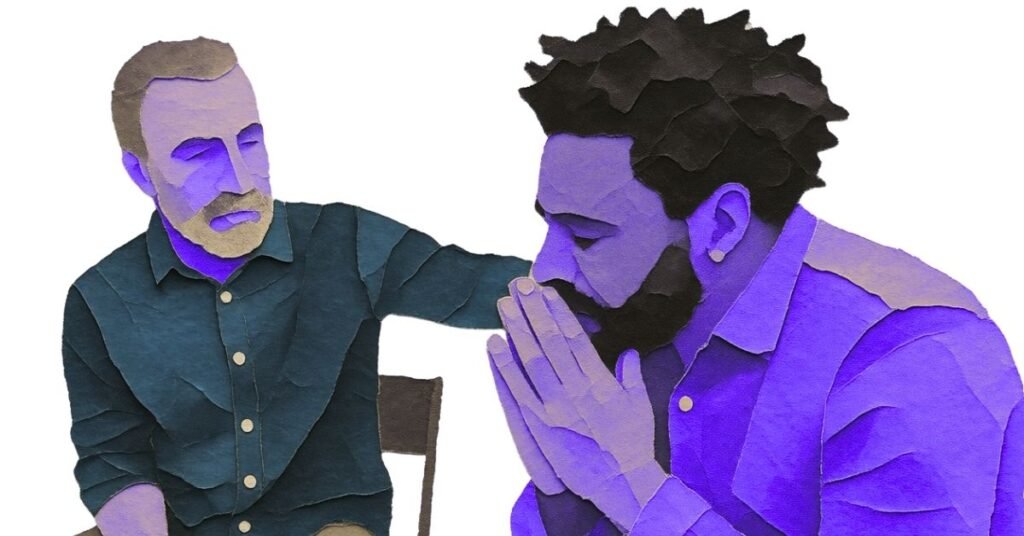
If the person is still living, this is one of the most valuable things you can do. A simple recorded conversation, even on a phone, can capture not just facts but the way someone tells their own story, their pauses, their phrasing, their sense of humor.
If they’ve already passed, this often means turning to family members who remember them well. Ask specific questions: What was their childhood like? What’s a story they told often? What did they care about most?
Preserve Photos and Documents
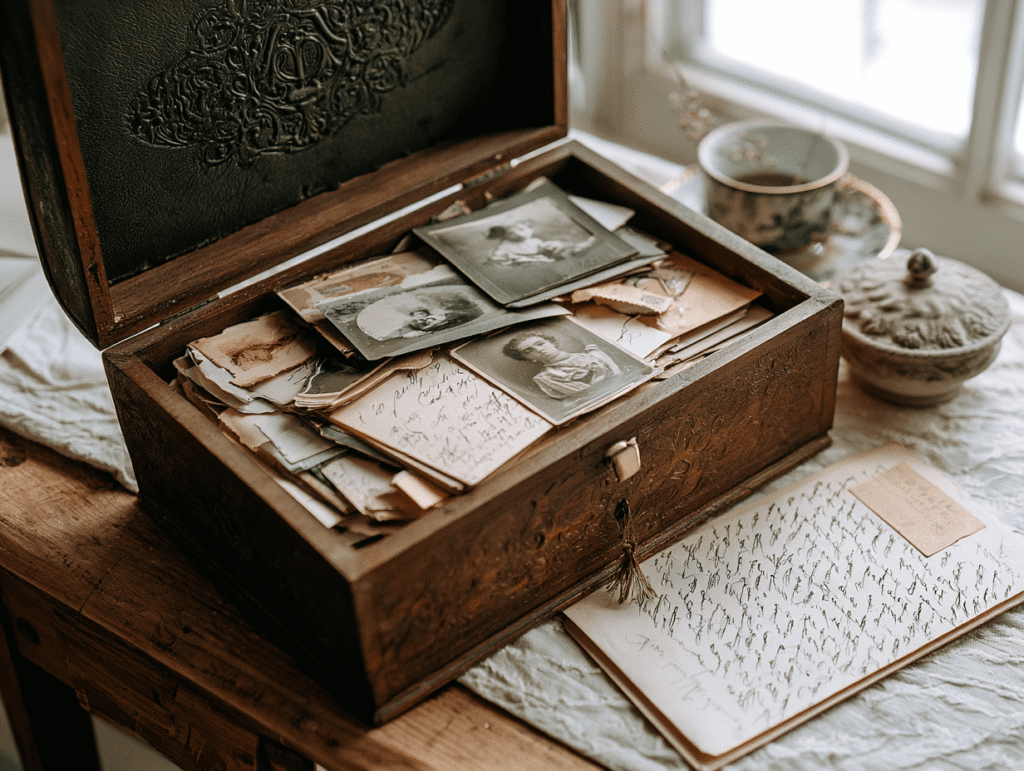
Old photographs and documents often exist in shoeboxes and drawers without much context. Digitizing them is a good first step, but adding context is just as important. A photo means much more to a great-grandchild if someone has written down who is in it, where it was taken, and why it mattered.
This doesn’t need to happen all at once. Even labeling a handful of photos each week adds up over time.
Pass Down Recipes, Traditions, and Skills
Recipes are often one of the most powerful pieces of a family’s history, not just for the food itself, but for the story behind it. Who taught them to make it? What occasions was it made for? Writing these details alongside the recipe turns it into something more than instructions.
The same goes for traditions someone started, holiday customs, or skills they practiced, whether that’s gardening, woodworking, music, or anything else that was part of who they were.
Write Down What They Believed and Valued
This is often the part that gets missed. Years from now, the things people most want to know are often not facts and dates, but what someone believed, what advice they gave, what they hoped for the people who came after them.
If you have the chance to ask directly, simple questions work well: What’s something you want your grandchildren to know? What advice would you give? If that conversation isn’t possible anymore, writing down what you remember them saying or believing is still meaningful.
Create a Lasting Place to Keep It All Together
Stories, photos, and memories often end up scattered across different family members, phones, and old boxes. A digital memorial page can bring these pieces together in one place, where family members can each contribute what they have over time.
If you’re not sure how to begin writing about someone, our guide on what to write on a memorial page offers a helpful starting point, with examples for different relationships.
Start Now, Even in Small Steps
Preserving a legacy doesn’t need to be finished in a weekend. One story written down, one photo labeled, one recipe saved with its history attached, each of these is something future generations will be grateful for, even if it takes years to feel that way.
For more ideas on ongoing remembrance, our guide on 12 meaningful remembrance ideas offers additional ways to keep someone’s memory present in everyday life.
Preserve your loved one’s legacy on TheWake by creating a memorial page where family members can add stories, photos, and memories together, building something future generations can return to for years to come.